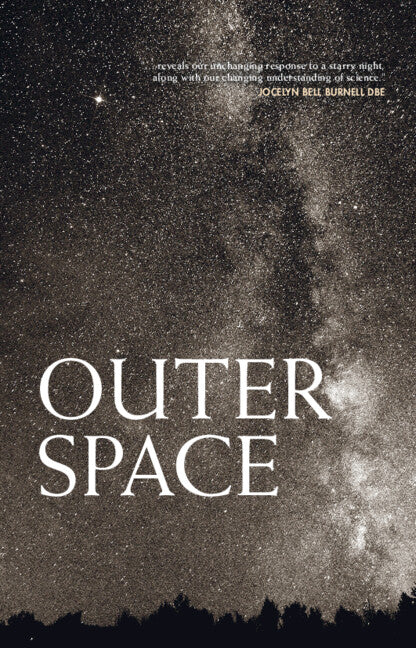

SALE Outer Space: 100 Poems
ISBN: Format: Hardback
Couldn't load pickup availability
🚚 Please note we can only ship within the UK.
FREE delivery on books (excluding sale).
Delivery for other items is £1.50 - £4.50, calculated at checkout.
T&Cs apply.
Free click & collect on all orders.
This book is unused and unread. It has some cosmetic imperfections such as scuffing, tearing or creasing. IT IS STAMPED 'DAMAGED'. No further discounts.
Poets and astronomers often ask the same questions. Where did we come from? Why are we here? Where are we going? Throughout human history, poetry has provided stories about what people observe in the sky. Stars, planets, comets, the moon, and space travel are used as metaphors for our feelings of love, loneliness, adventurousness, and awe. This anthology includes poets, astronomers, and scientists from the 12th century BCE to today, from all around the world. Sappho, Du Fu, Hafez, and Shakespeare are joined by Gwyneth Lewis's space requiem, Tracy K. Smith on the Hubble telescope, and Charles Simic, whose poem accompanied a NASA mission. Astronomers Tycho Brahe and Edmund Halley accompany modern scientists including Rebecca Elson, Alice Gorman on the first woman in space, and Yun Wang's space journal on travel to Andromeda. This collection reaches across time and cultures to illuminate how we think about outer space, and ourselves.
- Comprehensive: Gathers well-known and lesser-known works into an engaging anthology that will appeal to readers of poetry and lovers of outer space
- Interdisciplinary: Includes works by poets and astronomers, encouraging interaction between fields and showing how they often respond to the same questions: Where did we come from? Why are we here? Where are we going?
- Universal: Covers a sweep of historical and cultural perspectives, from 14 centuries and 20 countries and languages, unearthing a fascinating cross-cultural and sometimes even transhistorical dialogue on outer space and the self
Share